Top Open-Source Libraries for Front-End Innovation

Front-end development moves very fast. Every month, new and advanced tools appear that promise better performance, cleaner code, & stunning user experiences. But not all libraries are created equal for sure. Some of them stand out because they solve real problems, improve the workflows, & have strong community support.
If you are a developer, you need the right set of tools to stay ahead. In this article, we will explore the top open-source libraries driving front-end innovation. These particular tools help you in building faster, designing better, & deliver highly interactive apps.
Table of Contents
- 1 Why Open-Source Libraries Matter for Front-End Development?
- 1.1 1. React.js – The Undisputed King of UI Libraries
- 1.2 2. Vue.js – Simplicity Meets Power
- 1.3 3. Angular – The Enterprise Choice
- 1.4 4. Svelte – The Compiler That Changes the Game
- 1.5 5. Tailwind CSS – Utility-First CSS Framework
- 1.6 6. Bootstrap – Still Relevant After a Decade
- 1.7 7. Chart.js – Beautiful Data Visualizations
- 1.8 8. GSAP (GreenSock Animation Platform) – For Stunning Animations
- 1.9 9. Lodash – Utility Library for JavaScript
- 1.10 10. Axios – The Best for HTTP Requests
- 2 How to Choose the Right Library?
Why Open-Source Libraries Matter for Front-End Development?
Before we finally jump into the list, let us talk about why open-source libraries are considered to be highly essential:
- Faster Pace of Development: Reuse the components instead of reinventing the wheel.
- Cost-Effective: The Open-source libraries usually mean that no licensing fees are charged at all.
- Community Support: The community support offered by open-source libraries largely ensures continuous updates & large user bases.
- Innovation: The community of developers from all across the world actively contribute different valuable ideas & improvements.
Now, let us dive into the top libraries.
1. React.js – The Undisputed King of UI Libraries

React.js is witnessed to dominate the front-end space for a reason. It is developed by Facebook and powers apps like Airbnb & Instagram.
Why React is Highly Innovative:
- Component-Based Architecture: It builds several reusable components for different scalable apps.
- Virtual DOM: It considerably improves the rendering speed for achieving a better performance.
- Strong Ecosystem: It works with React Router, Redux, & Next.js.
- Cross-Platform: React Native uses the same concepts for different mobile apps.
Best for:
- It is a perfect choice for Single-page applications.
- It offers an interactive UI.
- You will have access to dynamic dashboards.
Key Features:
- You will find JSX for readable component code.
- You will have hooks for managing state & lifecycle events.
- It gives you access to a large community & countless plugin are available.
2. Vue.js – Simplicity Meets Power
Vue.js is another open-source gem that is a very popular choice. It is absolutely lightweight, easy to learn, & also highly flexible. Several developers choose Vue for its balance between high level of simplicity & optimum performance.
Why Vue stands out:
- Progressive Framework: You ought to start small & scale up gradually as per your need.
- Reactive Data Binding: You will receive real-time updates without the need of any complex code.
- Great Documentation: It is perfect for beginners as well as experts.
Best for:
- It is an apt choice for small to medium apps.
- It works well for projects in which quick integration matters a lot.
Key Features:
- It has Single File Components (CSS, HTML, JS together)
- It has Vue CLI for rapid setup.
- It offers Virtual DOM for faster rendering.
3. Angular – The Enterprise Choice
Angular is a complete front-end framework offered by Google. Unlike Vue or React, it strongly offers everything out of the box.
Why Angular is considered to be innovative:
- Two-Way Data Binding: It offers automatic sync between data & UI.
- Built-in Tools: It offers HTTP services, form handling, & routing.
- Typescript Support: It considerably improves the overall quality of code as well as maintainability.
Best for:
- It is helpful for large-scale applications.
- It is also apt for enterprise-grade solutions.
Key Features:
- It offers Dependency Injection for different modular apps.
- It has RxJS for handling async data streams.
- It offers CLI for the purpose of project scaffolding
4. Svelte – The Compiler That Changes the Game
Svelte is not just another framework. It is a powerful compiler. It turns your components into highly optimized vanilla JavaScript at build time.
Why developers love Svelte:
- No Virtual DOM: Direct DOM updates for ensuring optimum and better performance.
- Lightweight: Small bundle size which means faster loading.
- Simple Syntax: It is easy to learn as well as read.
Best for:
- It is perfect for high-performance web apps.
- It is a great choice for projects where speed is considered to be highly critical.
Key Features:
- It is useful for reactive assignments without extra APIs.
- It has built-in animations & transitions.
- There are no heavy runtime dependencies at all.
5. Tailwind CSS – Utility-First CSS Framework
Tailwind CSS is a utility-first framework that efficiently changes how developers style apps. Instead of writing custom CSS, you can use certain prebuilt utility classes.
Why Tailwind is innovative:
- Rapid Styling: Apply classes directly in HTML for faster design.
- Highly Customizable: Configure colors, spacing, & themes easily.
- No Unused CSS: PurgeCSS removes all unused styles for smaller files.
Best for:
- It is highly helpful in achieving the most responsive web design.
- It is highly apt for projects requiring consistent design systems.
Key Features:
- It offers dark mode support.
- It offers Plugin ecosystem.
- This follows the mobile-first design approach.
6. Bootstrap – Still Relevant After a Decade
Bootstrap remains one of the very popular front-end frameworks that is being used by a large base of users. It offers a series of ready-to-use components & a grid system for building the most responsive sites quickly.
Why Bootstrap is still in the game:
- Pre-Built Components: It offers pre-built components like modals, buttons, navbars, & many more.
- Responsive Grid: It builds layouts that work on all devices seamlessly.
- Huge Community: It presents tons of themes & templates.
Best for:
- A collection of attractive landing pages
- Prototypes
- Small to medium projects
Key Features:
- It offers JavaScript plugins for interactivity.
- You will have access to customizable Sass variables.
- You will have accessibility built-in features.
7. Chart.js – Beautiful Data Visualizations

If your app is in need of charts, Chart.js is a must-have. It is open-source, lightweight, &, at the same time, very flexible.
Why Chart.js stands out:
- Simple API: It is easy to create complex charts.
- Responsive by Default: Works well on all devices.
- Multiple Types of Charts: Bar, line, radar, pie, & more.
Best for:
- Data-driven applications
- Dashboards
Key Features:
- Animations out of the box
- Plugin system for the purpose of customization
- Supports canvas rendering for high performance
8. GSAP (GreenSock Animation Platform) – For Stunning Animations

GSAP is the go-to library for high-performance animations on the web. It works with CSS, HTML, SVG, & even Vue or React.
Why GSAP is powerful:
- Smooth Animations: Highly optimized for 60fps.
- Cross-Browser: It works across all modern browsers.
- Advanced Features: Timelines, scroll triggers, & more.
Best for:
- Interactive websites
- Creative web projects
Key Features:
- Easy chaining of animations
- No layout thrashing
- Works absolutely well with other frameworks
9. Lodash – Utility Library for JavaScript
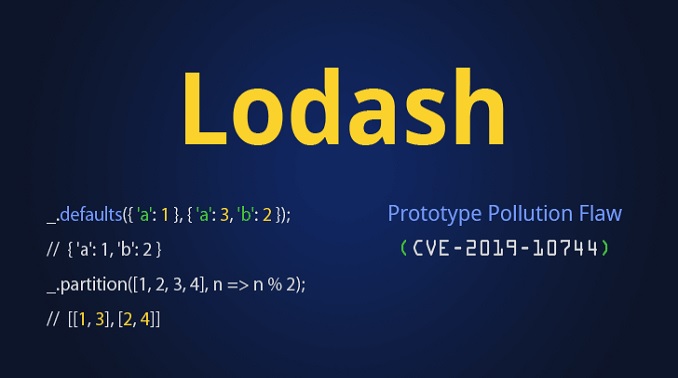
Lodash makes JavaScript much easier by providing various utility functions for conducting common tasks. It helps you write faster & cleaner code.
Why Lodash is useful:
- Simplifies Complex Logic: Functions for objects, arrays, & strings.
- Performance Optimized: Faster than writing custom utilities.
- Modular: Import only what you need.
Best for:
- Any JavaScript project
- Data manipulation tasks
Key Features:
- Deep cloning
- Debounce & throttle functions
- Works in Node.js & browsers
10. Axios – The Best for HTTP Requests
Axios is an open-source library for making HTTP requests. It is being widely used in Vue, React, & Angular projects.
Why Axios is preferred:
- Promise-Based: Easy async handling.
- Built-in Interceptors: It modify requests & responses globally.
- Automatic JSON Conversion: It saves extra steps.
Best for:
- APIs & backend integration
- Data-driven apps
Key Features:
- It supports request cancellation.
- It’s capacity of error handling is out of the box.
- It works in both browser as well as Node.js environments.
How to Choose the Right Library?
Here’s what to consider:
- Project Size: Large apps require frameworks like Angular or React.
- Performance Requirements: Choose GSAP or Svelte for animations & speed.
- Styling Preference: Tailwind for utility-first CSS, Bootstrap for the components.
- Community Support: Bigger communities mean better resources.
Conclusion
Front-end innovation thrives on open-source. These particular libraries are not just tools – they are indeed game changers. They save a lot of your valuable time, reduce complexity, & help developers deliver exceptional user experiences.
But remember: no single library fits all projects. You should start by understanding your needs, and then finally pick the right tools. Combine them smartly, & your workflow will improve dramatically.
Stay curious & keep experimenting. The front-end world evolves fast, & these libraries are your ticket to staying ahead.