What Is Web3 in Simple Terms?
First, it was Web1or Web 1.0, which we all love and are familiar with, “read-only web”. Then comes Web 2.0, “social web,” which we are currently using; the internet we use in any case, such as blogs, social media, etc. Here, the users can easily create, share, and interact through the platform. If you have heard something called Web3, as people are talking about this, and you are extremely confused and have a lot of questions in mind. Below, we will make sure that you have all the information related to Web3.
Table of Contents
What is Web3?
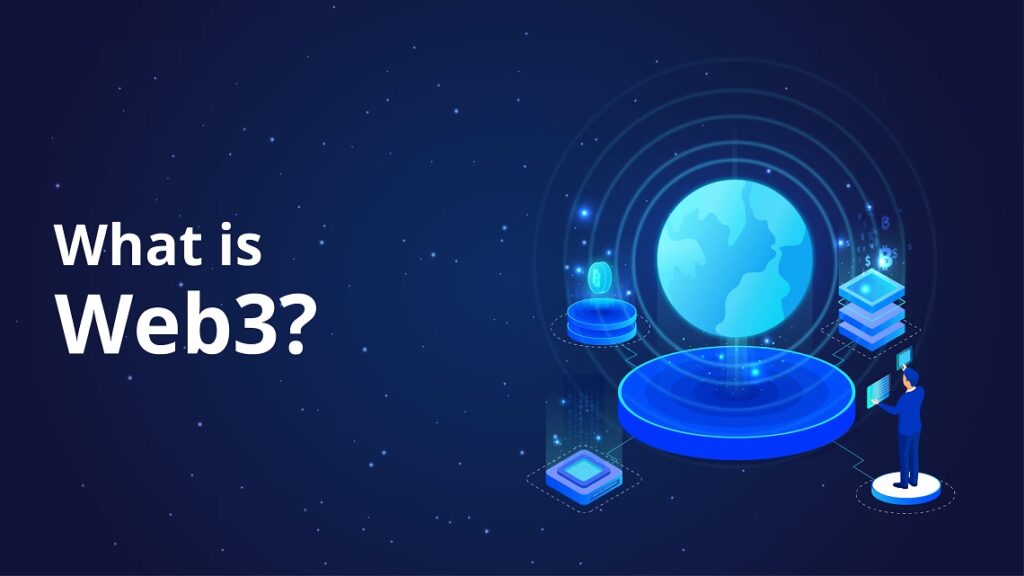
Just for your knowledge, Web3 is in progress and is not properly defined. Web3 is a future internet phase with decentralized, open, and user-controlled. Since 2018, Web3 has gained its significance through patent filings, online searches, equity investments, job vacancies, scientific publications, and press reports. Web3 is mainly built on blockchain technology, which allows users to have great control over data, internet experience, and transactions.
What Makes Web3 Different?
- Decentralization: In a centralized system, the data we provide is stored and run by servers, whereas in Web3 mainly distributes this control among the users. Here, the data and service run on peer-to-peer blockchains or networks. All of this gives the users ownership even over their digital lives.
- Token-based tools and blockchain backbone: here, the blockchains are being shared, such as immutable ledgers. This technology gives power to NFTs, cryptocurrencies, and smart contracts. The tools that are being used help in maintaining transparency.
- Permissionless system: here on Web3, you don’t have to go to a middleman to start the interaction. Without any permission from the centralized authorization, you can participate anonymously.
- User-owned data and assets: Web3 mainly returns the digital ownership to the individuals. Here, users can easily manage all their data and digital assets without going through the centralized process.
What Technologies Support Web3?
Web3 mainly shows what the internet would look like if it were built on a new technology. Below, we have mentioned three main ones:
- Blockchain: Blockchain is mainly a decentralized ledger, digitally distributed, which exists in the world of computer networks, and you can get records of transactions. When new data is out and needs to be added to the network, a new block is created, this it is updated permanently in the chain. In easy words, it’s a decentralized ledger that easily records transactions across all computers. This helps in avoiding central control.
- Smart contracts: Smart contracts consist of special programming in software that has the ability to execute automatically when specified conditions are met, like the terms that a buyer or a seller agrees to. a code of blockchain is there, which is established by smart contracts, which cannot be changed.
- Digital assets and tokens: Some things are just available online and have a lot of monetary value, such as Stablecoins, Cryptocurrencies, central bank digital currencies, and Non-fungible tokens. This even includes the tokenized versions of the assets.
Why Does Web3 Matter?
Web3 is is common term to define the third generation technology that enables the World Wide Web. Below, we have mentioned why Web3 is going to matter to us:
- Empowerment and data ownership: Through Web3, users can easily own the digital assets and identity, and data rather than giving it to the centralized platforms.
- Reduced censorship and central control: as this service is on a shared server, it helps in resisting censorship and even reduces service shutdown risk by the centralized authorities.
- Transparency and trust through code: Web3 helps in making the actions verified without any involvement of intermediaries.
- Global Inclusion: Web3 even comes up with open collaborative and financial opportunities to all people who have access to the internet. This helps focus on underserved and unbanked populations.
Advantages of Web3
As all technology comes with pros and cons, the same with Web3. Web 3.0 comes with a lot of potential advantages, which can change the way we see the web. It will not only change the lives of the users but also boost the digital economy in the coming years
- Ownership and control: With the help of Web3, users will have complete control and ownership of their data, identities, and assets.
- Transparency and trust: Users will have more clarity when the transactions are happening and how other decisions are made.
- Decentralization: The transaction in this event includes the selling and buying of services and products, even getting pre-approved security loans by the central authority.
- Personalization: For any online interaction, web3 can make the whole process more personalized and customization.
- Enhanced privacy and identity: as the nature of this Web 3.0 is decentralized so it provides a lot of privacy to the users that was not possible in prior web generations.
- Resilience: You will expect an improved version of application delivery because of the decentralized nature, which does not rely on centralized authority.
- Predictive Intelligence: Web 3.0 comes with ML and AI technology that makes it smarter than the previous generations, and comes with the ability to respond with corrective measures.
Disadvantages of Web 3.0:
Till now, you have understood what all Web3 has on its side to offer, but it even comes with its own set of risks and downsides that you need to take care of:
- Security: The foundation of Web3 is very complicated, which can lead to users not keeping their activities secure. Numerous cybersecurity incidents are being reported, highlighting the need for increased awareness regarding blockchain risk applications and cryptocurrency exchanges.
- Complexity: Web3 mainly depends on decentralized networks, blockchains, and smart contracts; all of this can make the process complex for users who worked with Web2.
- Technology requirements: the applications or the technology that are being used, such as blockchain, are resource-intensive, so there is a huge chance that they may not open in older hardware.
- Regulatory concerns: since there is no central authority, it is difficult to identify the regulator. The compliance and regulations that mainly help keep the online world safe are absent in Web3, and if there is even something that doesn’t work.
- Web3 is mainly associated with the concept of a decentralized network, so there is no specific authority to manage the moves.
Conclusion:
Everyone should understand the impact that the internet is having on business and individuals with the start of Web 3.0. Everyone should have a basic understanding of Web3. This relates to the current state, not the distant future. There are many functions that can be deployed on this Web 3.0, and it is very effective because it has features like intelligence, safety, and decentralization—elements that were not present in its predecessors. However, proper implementation should be done to make it effective properly for the upcoming days.